
ACE Montessori

About Montessori.

A distinctive education for how children actually learn.

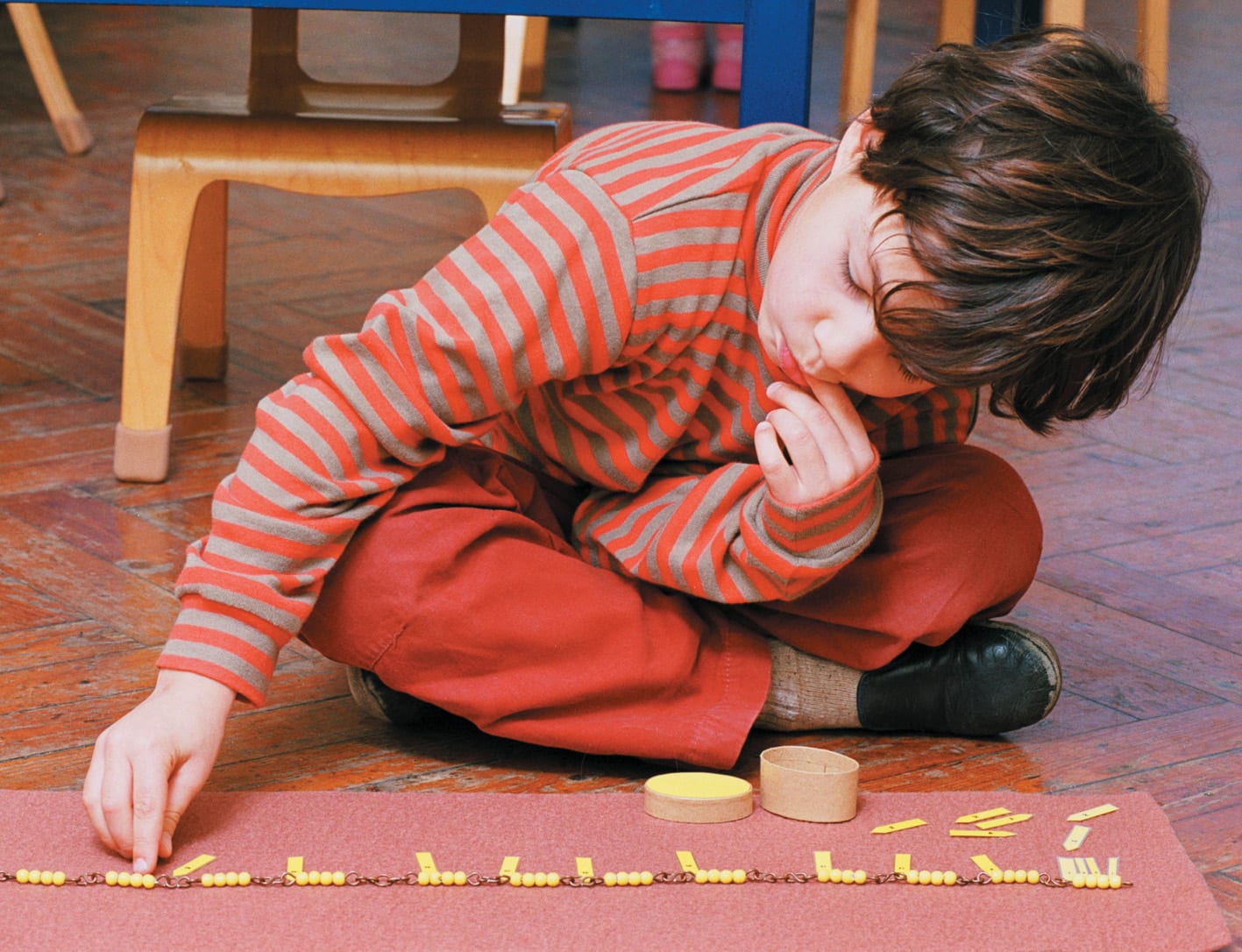
Children in a Montessori classroom in the United Kingdom focused on independent work at low tables.

Montessori education offers a unique learning experience rooted in a deep understanding of child development. Classrooms are intentionally prepared to align with each stage of growth, while educators are trained to observe, recognize, and respond to each child’s individual needs at every moment of their learning journey.

At its core, Montessori is a respectful and child-centered approach that nurtures independence, confidence, and intrinsic motivation. Within a safe and supportive community, each child is guided to reach their full potential, developing not only academically, but also socially, emotionally, and personally.

Key principles

Six ideas that shape the classroom.

A child working independently with Montessori materials at ACE Montessori.

Montessori fosters independence

Children are encouraged to move freely within a thoughtfully prepared environment, make purposeful choices within clear and structured boundaries, and understand that their actions and contributions have real value.

As they grow, they progressively master essential practical life skills such as food preparation, cleaning, organization, and self-care. These meaningful experiences build confidence, responsibility, and self-reliance, allowing children to seamlessly apply their skills between school and home, strengthening both independence and everyday life competence.
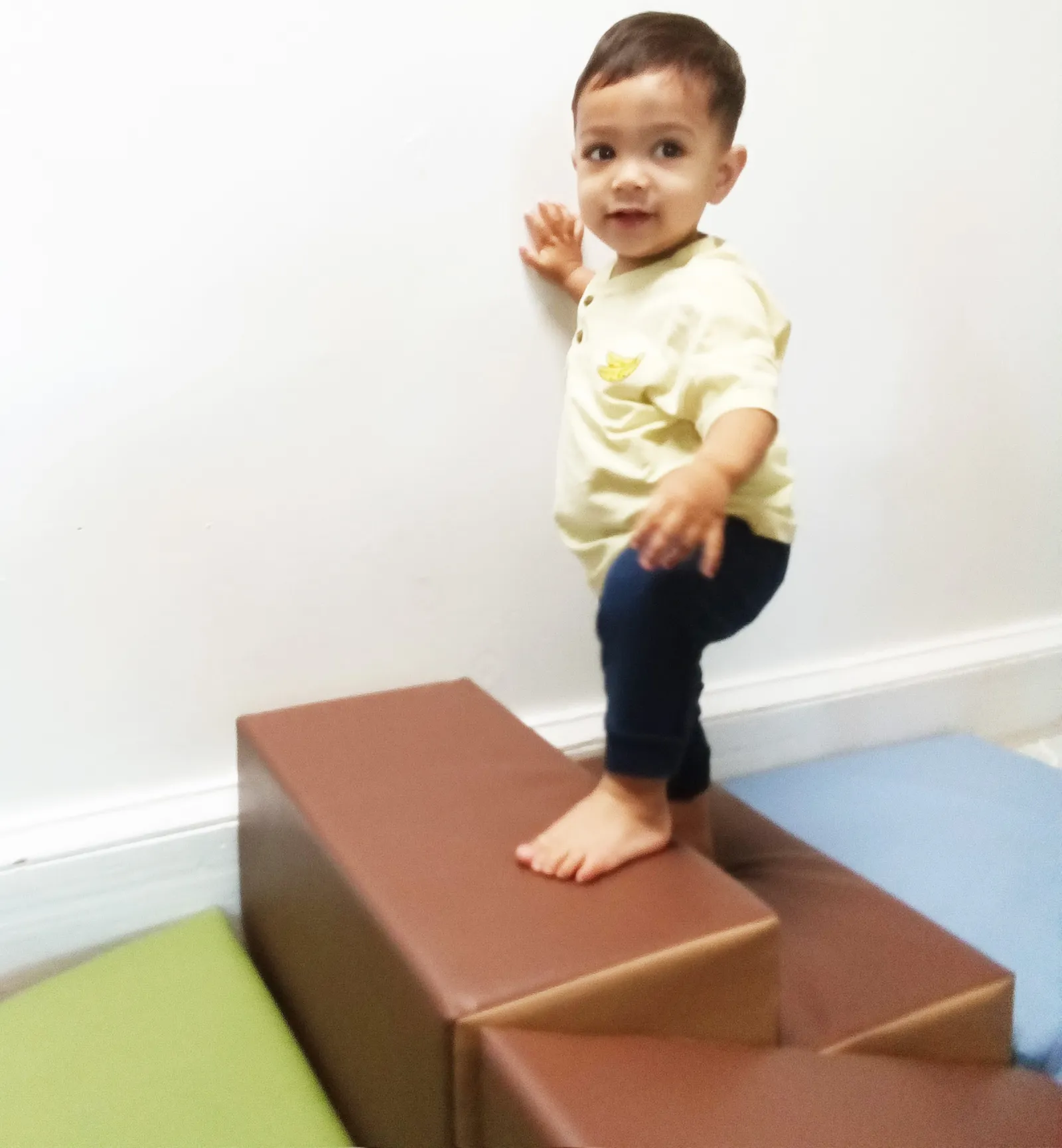
A toddler exploring a Montessori activity at their own pace.

Montessori follows the child

Montessori approach is a guiding principle in everything we do. Our educators are trained to understand the stages of child development, allowing them to recognize and respect each child’s unique growth trajectory.

The prepared environment is intentionally flexible, offering individualized challenges and support based on each child’s readiness, interests, and emerging abilities. This allows children to progress at their own pace while being gently guided forward.

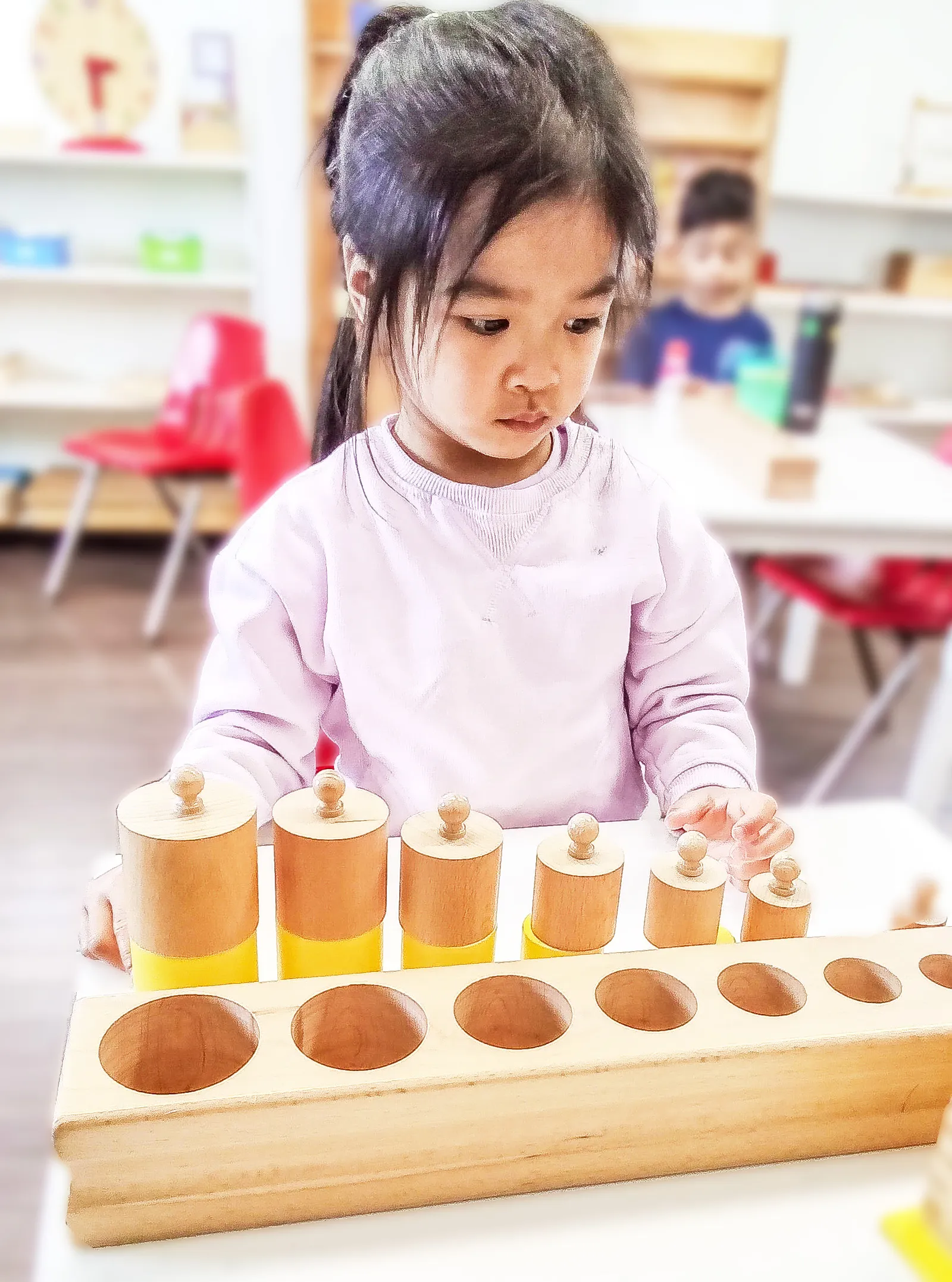
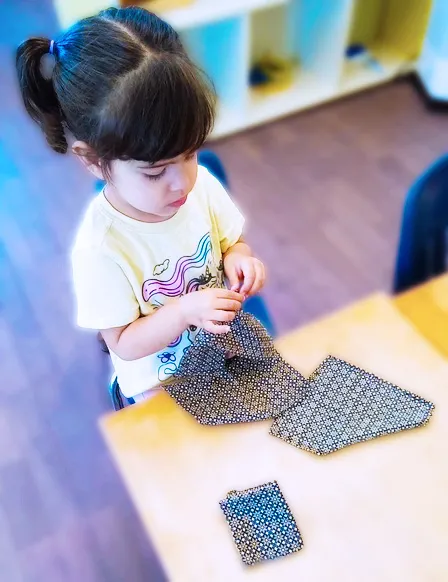
A child concentrating on purposeful Montessori work.

Montessori inspires meaningful work

Montessori environments are intentionally designed with natural materials, abundant natural light, living plants, and child-accessible low shelving that fosters independence and ease of movement. Every element of the classroom is purposeful. Work areas are arranged to support both individual concentration and collaborative learning, allowing children to choose how they engage with their environment. Carefully curated, high-quality Montessori materials are thoughtfully presented to invite exploration, precision, and sustained engagement.

In such a prepared environment, beauty and order are not decorative, they are educational tools that encourage focus, respect, and a deep sense of responsibility toward one’s work and surroundings.

Two young children smiling as they share watermelon together.

Montessori values kindness and peace

Children are guided from an early age toward respect, empathy, and thoughtful interaction with others. Kindness and peace are not treated as separate lessons, but as lived values embedded in every part of the environment. They form the foundation of a meaningful education and support the development of responsible, compassionate human beings.

Through world geography and cultural studies, children begin to understand and appreciate diversity, developing an early sense of global citizenship and connection to the wider world. In daily interactions, they are also gently and directly guided in conflict resolution, learning how to express themselves, listen to others, and find peaceful solutions.

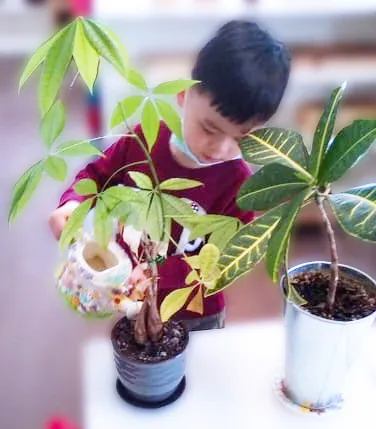
A child watering plants in the Casa classroom.

Nature is deeply integrated into Montessori

Children are given opportunities to connect to the living world in meaningful and tangible ways. Classrooms are thoughtfully prepared with real-life materials, and museum-like displays that reflect and extend current areas of study, where children engage directly with nature-based materials that spark curiosity and deepen understanding.

Regular outdoor experiences further extend this learning, providing children with weekly opportunities to explore, observe, and interact with the natural environment. These experiences foster awareness, respect for nature, and a lifelong appreciation for the world around them.

A child engaged in focused Montessori work.

Montessori values formative assessment

Rather than relying on formal testing, educators carefully observe children during their daily work to understand their progress, interests, and developmental needs. Daily observation and documentation enable educators to continuously refine their guidance, adjusting materials, instruction, and support in real time. As a result, each child receives the appropriate balance of challenge and encouragement, ensuring steady, confident growth across all areas of development.

Through structured Montessori methods such as the three-period lesson, teachers assess understanding in a natural and supportive way, allowing children to move from introduction, to recognition, and finally to mastery at their own pace. This approach ensures learning is meaningful and deeply understood rather than memorized.

See Montessori in person.

The best way to understand the method is to watch children at work in a prepared environment. Join our waitlist and we’ll schedule a tour.

Or call 905 472 9899