
ACE Montessori
Dr. Maria Montessori.
Italy’s first female physician. Three-time Nobel Peace Prize nominee. The educator behind the method.
Within the child lies the fate of the future.
Biography
A trailblazer in medicine and education.
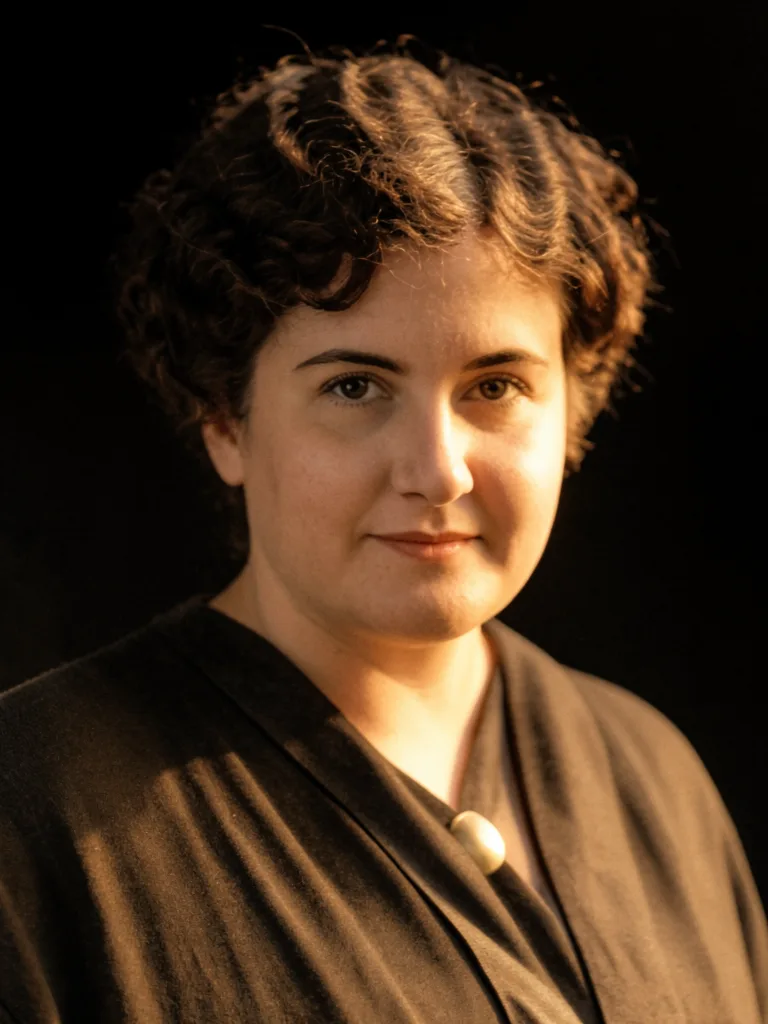
Maria Montessori broke ground first in medicine. She became Italy’s first female physician after graduating from the University of Rome’s Faculty of Medicine in 1896. Her academic background was unusually interdisciplinary: biology, psychiatry, anthropology, and medicine all informed what came next.
Early in her medical career, her work with children sparked an interest in human development. Through meticulous observation she came to a conclusion that has shaped a century of pedagogy: children actively shape their own personalities through interaction with their environment and through self-directed work with carefully designed materials.
In 1907, she opened Casa dei Bambini (the Children’s House) in San Lorenzo, Italy, in an impoverished community. There she developed two foundational principles: that there are universal characteristics of human development worth honouring, and that each child is a unique, irreplaceable individual worthy of unconditional acceptance.
Life and work
A timeline.
- 1896
Graduates from the University of Rome’s Faculty of Medicine, becoming Italy’s first female physician.
- 1896–1907
Works with children at the Scuola Ortofrenica. Her methods produce remarkable results — many children labelled “cognitively challenged” achieve above-average scores on standardized tests.
- 1907
Opens Casa dei Bambini (Children’s House) in San Lorenzo, Italy, serving children ages 3–6 in a working-class community.
- 1913
First U.S. visit. Public interest in the method begins to spread internationally.
- 1915
Presents her method at the Panama-Pacific International Exhibition in San Francisco.
- 1929
Founds the Association Montessori Internationale (AMI) to preserve her principles and train educators worldwide.
- 1939–1946
Works extensively in India during World War II — trains thousands of teachers and develops what becomes the elementary curriculum.
- 1949 – 1950 – 1951
Nominated for the Nobel Peace Prize three years in a row.
- 1952
Dies in the Netherlands, continuing to refine her educational philosophy until the end.
Her legacy
A method that travelled.
Montessori education spread rapidly. By 1913, it had reached the United States; by 1939, Dr. Montessori was working in India; and in 1929, the Association Montessori Internationale was founded to carry her work forward.
Across cultures and continents, the classrooms evolved while the essentials remained: a prepared environment, purposeful materials, freedom within structure, and growing independence.
Today, those same principles and the familiar rhythm of a Montessori classroom can be found in Tokyo, Paris, Skopje, London, Dubai, New York and here in Markham.
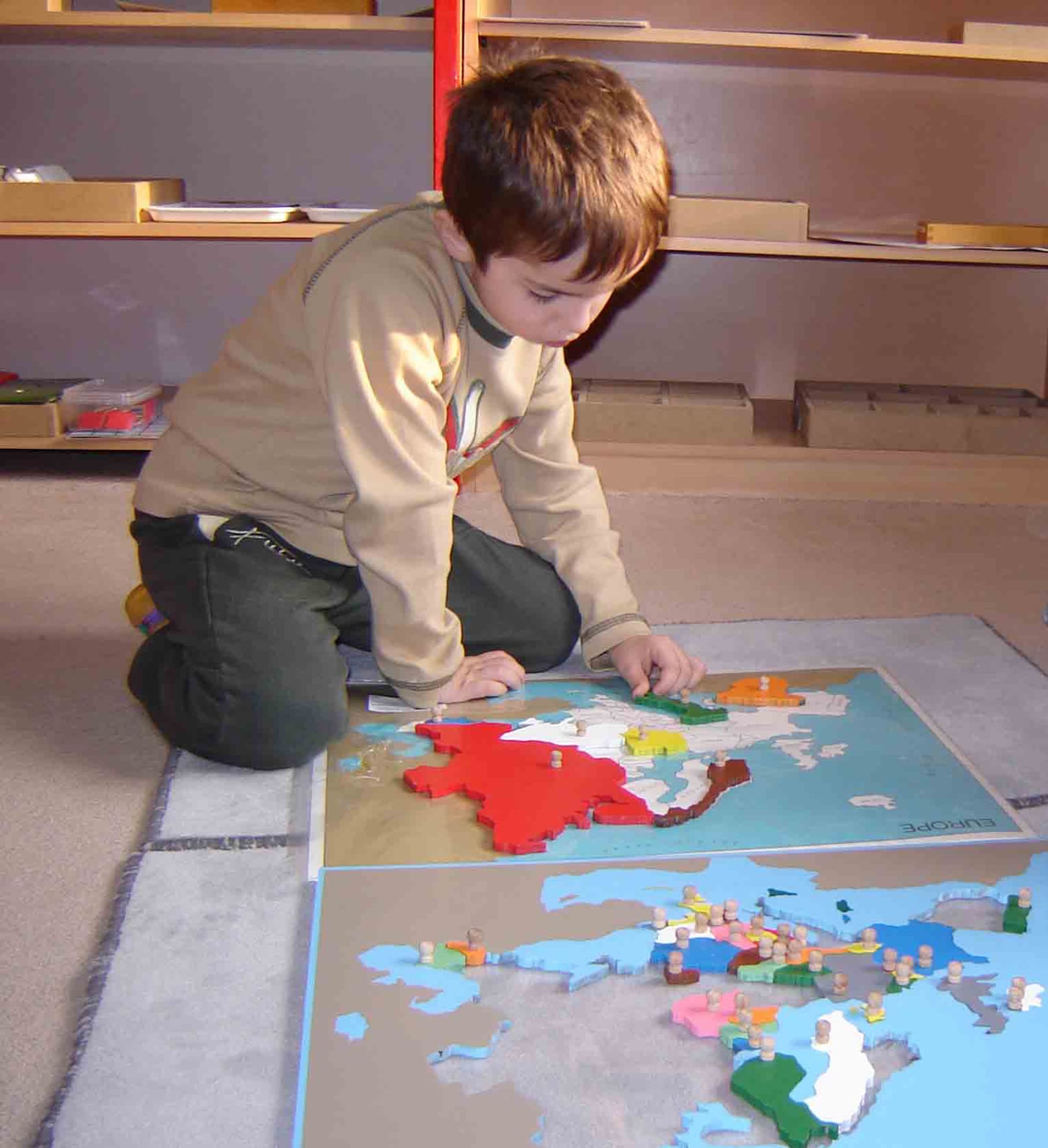
A century later, the method works.
Come see Dr. Montessori’s ideas at work in a real classroom. Join our waitlist and we’ll schedule a visit.
Or call 905 472 9899